The offset: how combat-injured veterans lose pay they earned
If a service member’s combat injuries end their career before 20 years, the military medically retires them. Then the government reduces their retired pay by the amount of VA disability compensation they receive. That reduction is the offset.
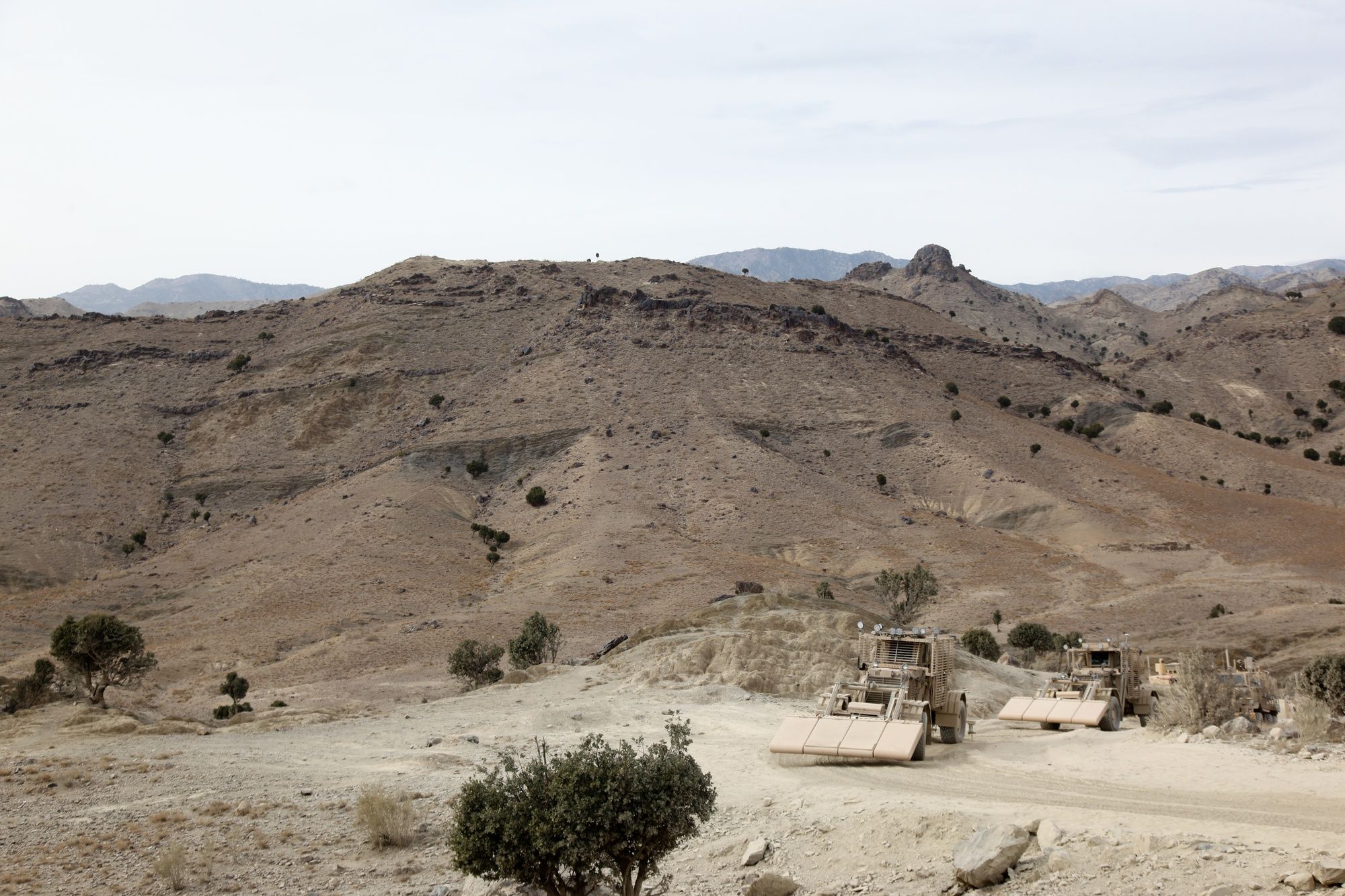
A route-clearance patrol near Forward Operating Base Tillman, Paktika province, Afghanistan, 2012. U.S. Army photo by Sgt. Kimberly Trumbull
How it works, step by step
- 1A service member is injured in combat, in training that simulates war, or by an instrument of war, like a blast. Some illnesses from toxic exposures like burn pits count too.
- 2The injury ends their military career before 20 years. They’re medically retired under Chapter 61 and earn retired pay.
- 3The VA rates their service-connected disabilities and pays disability compensation.
- 4Federal law reduces their retired pay, dollar for dollar, by that VA compensation.
- 5A partial program (Combat-Related Special Compensation, or CRSC) gives some of it back, but for many combat-injured retirees with under 20 years, not all of it.
Illustration comparing two payments. Retired pay is earned by service. VA compensation is for the injury. Today, for a combat-injured veteran medically retired under Chapter 61 with fewer than 20 years of service, part of the retired pay is cut away by the offset. With the clean Star Act, both payments are paid in full.
Why it’s unfair
- Retired pay and disability compensation pay for different things: one for service, one for the injury.
- Veterans who reach 20 years with a 50%+ rating can generally already receive both.
- The people most likely to be forced out before 20 years are those hurt the worst.

How to end it
The clean, standalone Major Richard Star Act ends the offset for combat-injured veterans medically retired with fewer than 20 years. It’s narrow, it’s bipartisan, and the House vote is coming.
Ask your lawmakers to pass the clean Star Act.
Find your representative and senators, see where they stand, and call or write in a few minutes.