
Eligibility
Full pay for combat-injured veterans: who the Star Act covers
The clean, standalone Star Act is narrow on purpose. Here’s who it’s for.
A Purple Heart pinned to a Marine’s uniform, Fallujah, Iraq, 2006. U.S. Marine Corps photo by Cpl. Brian Reimers
You’re likely covered if all three are true
- You were medically retired under Chapter 61 (disability retirement), and
- You had fewer than 20 years of service when you retired, and
- Your disability is combat-related: you’re eligible for, or already receive, Combat-Related Special Compensation (CRSC).
Source: GovInfo: H.Res. 1247 text
Check in three questions
Your answers stay on this page. Nothing is sent or stored.
Based on your answers, the clean Star Act would likely cover you.
Confirm your status with your service’s CRSC office or a free accredited service officer.
What “combat-related” means
“Combat-related” has a legal definition that is broader than battlefield wounds. It covers a disability from an injury for which you received the Purple Heart, or one that happened as a direct result of:
- armed conflict,
- hazardous service,
- conditions simulating war, such as training exercises, or
- an instrumentality of war (an instrument of war, like a weapon or military vehicle).
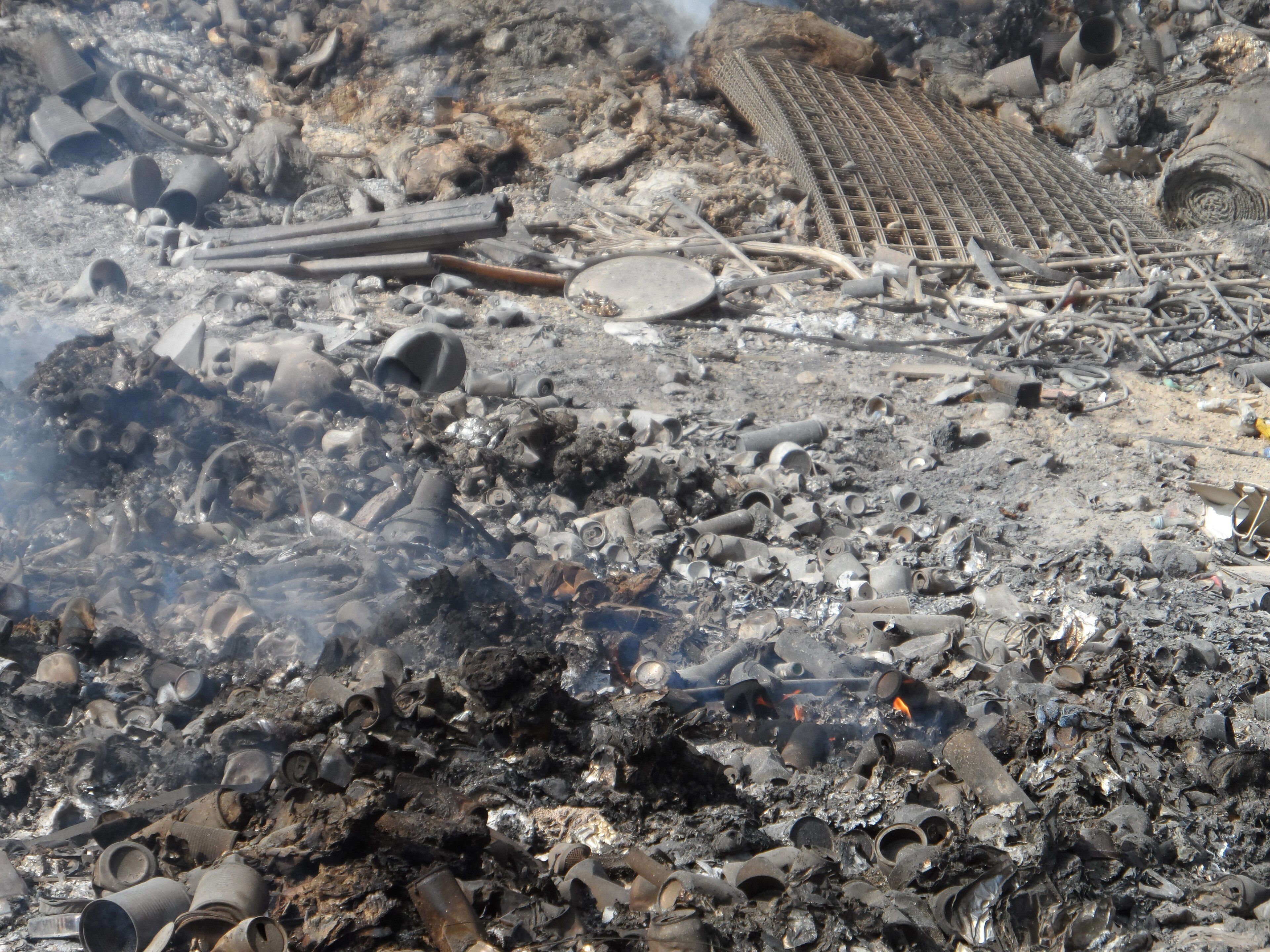
Toxic exposures like burn pits can qualify when they’re tied to these conditions. Each service’s CRSC office makes the decision, not your VA rating.

Source: 10 U.S.C. §1413a
Who is not covered
- Veterans with disabilities that aren’t combat-related.
- Veterans who separated with disability severance pay instead of retiring. There’s no retired pay to restore.
- Chapter 61 retirees with 20 or more years. They’re already under the Concurrent Retirement and Disability Pay (CRDP) rules, which this version doesn’t change.
- Anyone seeking back pay. The clean Star Act is not retroactive.
If it passes, what happens?
DoD will issue rules on how payments and elections work. Your service’s CRSC office can explain your options then. Keep in mind: CRSC is tax-free; military retired pay is taxable.
Get free help confirming your status
DAV, VFW, and American Legion service officers help at no cost. Also: apply for CRSC now if you haven’t. It helps you today, regardless of the bill. Find a free service officer
This page is general information, not legal or financial advice.